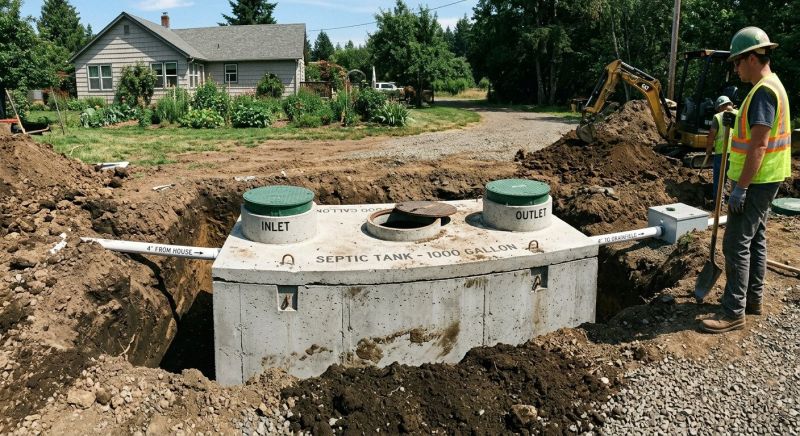
Sewage Tank Installation in Denver, CO
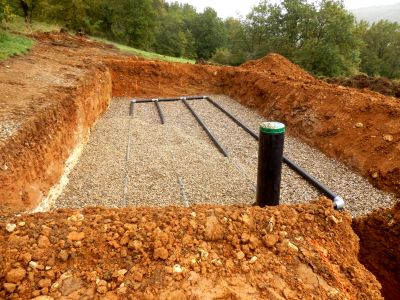
Sewage tank installation services involve setting up underground systems that collect and store wastewater from residential properties. These systems are essential for homes that are not connected to municipal sewer lines, providing a reliable solution for waste management. Projects typically include installing new tanks during home construction, replacing aging or damaged tanks, or expanding existing systems to accommodate property improvements. Homeowners often want to understand the size and type of tank suitable for their property, the installation process, and any local regulations or permits that may be required before proceeding.
Property owners considering sewage tank installation should evaluate factors such as the size of their household, property layout, and soil conditions to determine the most appropriate system. It’s also important to consider the maintenance requirements and long-term durability of different tank options. Understanding the installation process, including excavation and connection to existing plumbing, helps ensure a smooth project. Contacting a professional can provide guidance on the best system for specific needs and ensure compliance with local codes and standards.
Many property owners in Denver, CO look into Sewage Tank Installation for repairs, replacements, upgrades, and appearance-related improvements.
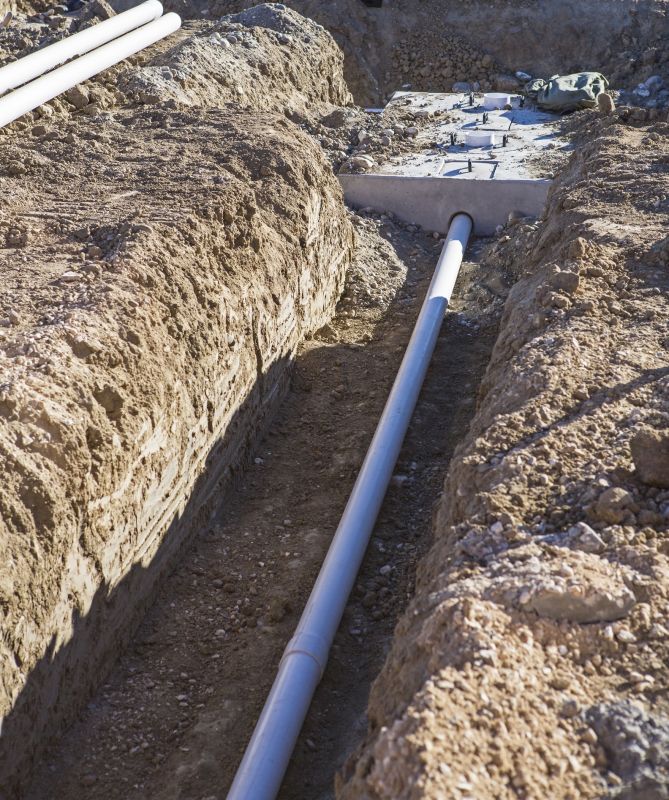
Proper Sewage Tank Placement
Ensuring correct location and depth for efficient waste management on residential properties.
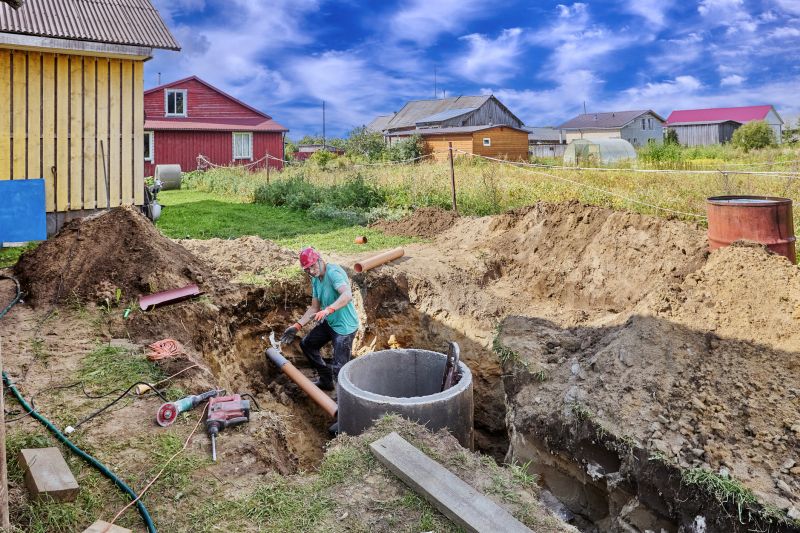
Tank Types And Sizes
Selecting the appropriate sewage tank to meet the needs of denver-area homes and businesses.
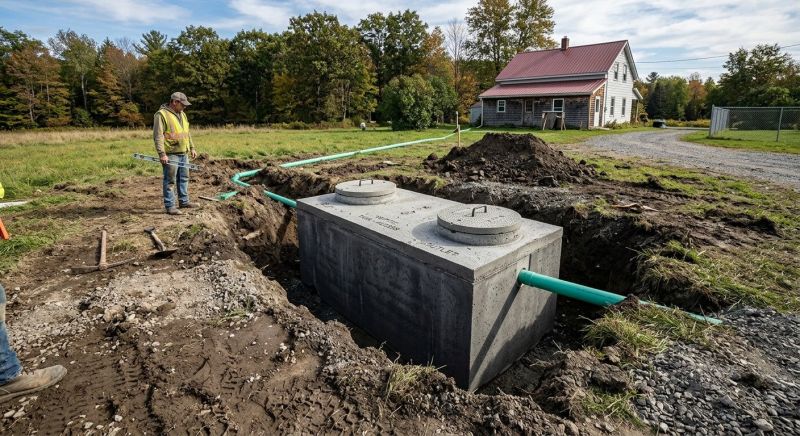
Installation And Permitting
Following local regulations and best practices for a safe and compliant sewage tank setup.
Sewage Tank Installation in Denver, CO
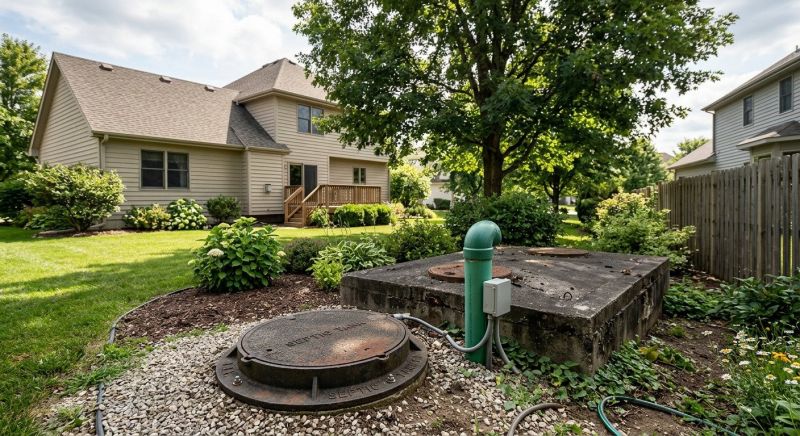
Sewage tank installation services involve setting up underground systems that collect and store wastewater from residential properties. These systems are essential for homes that are not connected to municipal sewer lines, providing a reliable solution for waste management. Projects typically include installing new tanks during home construction, replacing aging or damaged tanks, or expanding existing systems to accommodate property improvements. Homeowners often want to understand the size and type of tank suitable for their property, the installation process, and any local regulations or permits that may be required before proceeding.
Property owners considering sewage tank installation should evaluate factors such as the size of their household, property layout, and soil conditions to determine the most appropriate system. It’s also important to consider the maintenance requirements and long-term durability of different tank options. Understanding the installation process, including excavation and connection to existing plumbing, helps ensure a smooth project. Contacting a professional can provide guidance on the best system for specific needs and ensure compliance with local codes and standards.
Many property owners in Denver, CO look into Sewage Tank Installation for repairs, replacements, upgrades, and appearance-related improvements.
Common Sewage Tank Installation Jobs
Sewage Tank Installation - installation of new sewage tanks for residential or commercial properties.
Sewage Tank Replacement - removing old tanks and installing updated systems to meet current standards.
Sewage Tank Expansion - increasing tank capacity to accommodate property growth or increased usage.
Sewage Tank Inspection - assessing existing tanks for potential issues or compliance requirements.
Sewage Tank Maintenance - routine checks and servicing to ensure proper function and longevity.
Sewage Tank Removal - safely dismantling and removing tanks no longer in use or needing replacement.
Sewage Tank Installation Questions
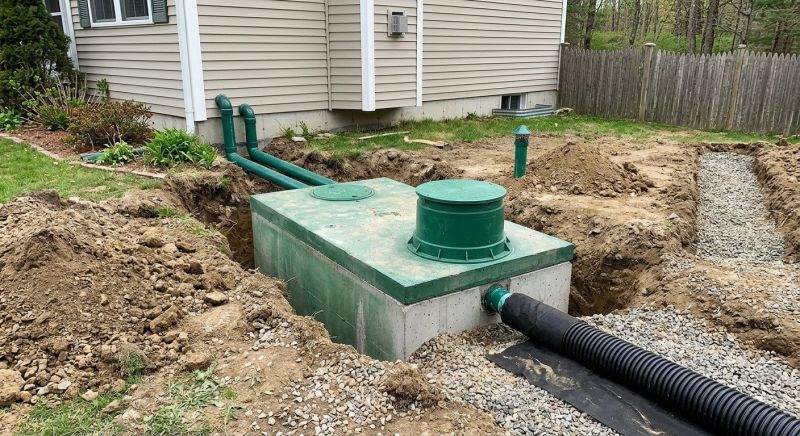
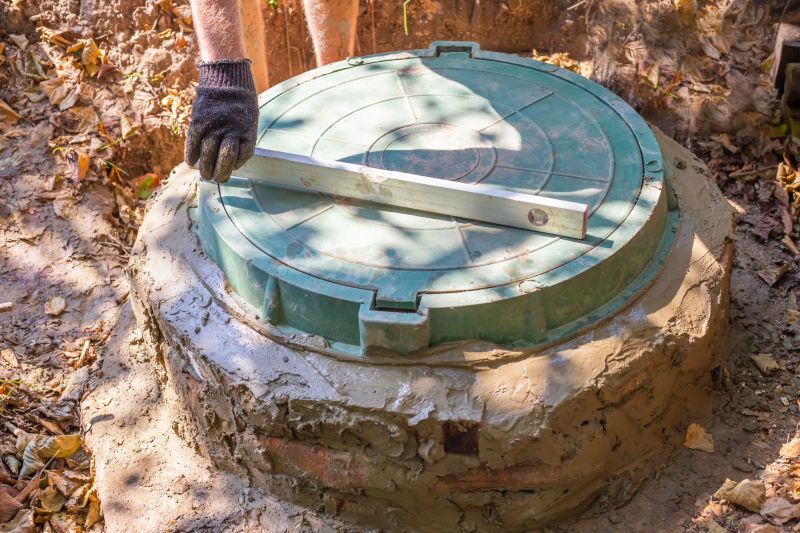
What is involved in installing a sewage tank? The process includes site assessment, excavation, tank placement, and connection to the property’s plumbing system.
What types of sewage tanks are available? Options include concrete, plastic, and fiberglass tanks, each suited for different property needs and soil conditions.
Are permits required for sewage tank installation? Permits are typically needed and should be obtained through local authorities before installation begins.
What should property owners consider before installation? Factors include tank size, location, soil type, and future maintenance requirements.
Request Sewage Tank Installation in Denver, CO
Use the quote form on this page to share the basics of your project and request more information for the type of work you need.